When it pertains to dumpster rental, being prepared is key to a smooth and cost-efficient waste elimination experience. Begin by choosing the right dumpster size, taking into consideration job range, waste kind, and offered room to prevent unnecessary expenses and logistical problems. Comprehend the total costs, including rental duration, dimension, https://piedmonttriaddumpsters.com/dumpster-rental-summerfield-nc/ weight of waste, delivery, and pickup, and recognize possible hidden fees Research regional regulations and license demands, prepare your home for delivery, and know what can and can't go in the dumpster. By following these essential tips, you'll be well on your means to a successful project, and there's more to check out to ensure a problem-free experience.
Choose the Right Dumpster Size
Choose the Right Dumpster Size
When it comes to dumpster rental, sizing up the job at hand is important to guarantee a seamless waste management process Picking the right dumpster size is vital to validate you have sufficient room to get rid of your waste efficiently.
A dumpster that is also small will result in additional rental periods, causing enhanced costs and logistical headaches. On the other hand, a dumpster that is also big will bring about unnecessary expenses and occupy beneficial room on your property.
To determine the optimal dumpster size, take into consideration the range of your job, the kind of waste you'll be throwing away, and the available area on your residential property. Typical dumpster dimensions vary from 10 to 40 yards, with 20-yard dumpsters being the most popular selection for household projects.
Be certain to talk to a dumpster rental expert to validate you get the ideal size for your particular requirements. By picking the appropriate dumpster size, you'll stay clear of unneeded tension and ensure a smooth waste administration process
Understanding Dumpster Rental Costs
Now that you've safeguarded the appropriate dumpster size, it's time to focus on the monetary facets of your waste monitoring project. Understanding dumpster rental costs is crucial to ensure you remain within your budget plan and avoid any kind of surprise fees.
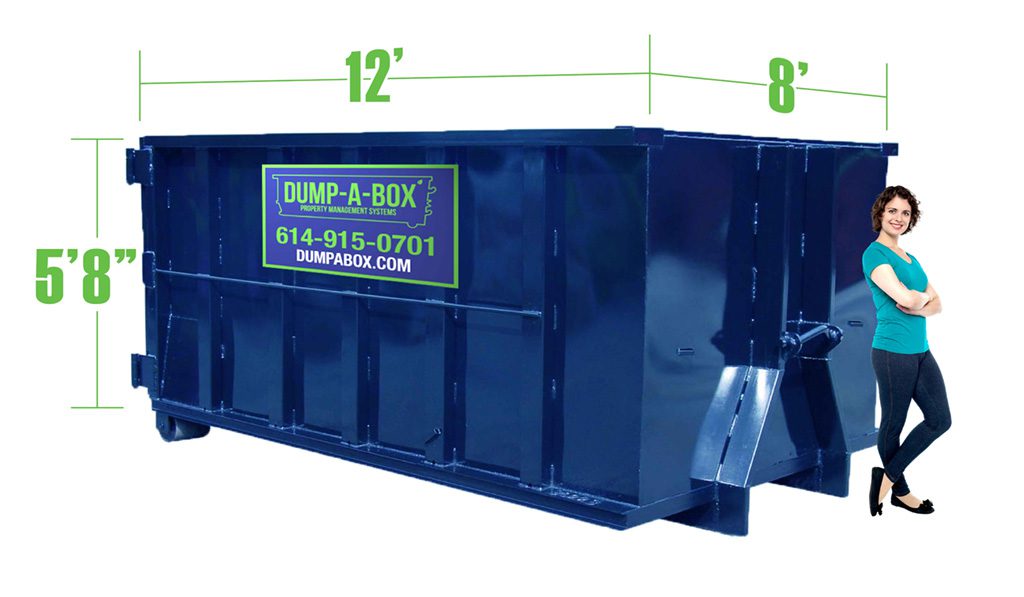
The overall price of leasing a dumpster usually consists of the rental period, dumpster size, weight of waste, and any extra solutions such as shipment and pickup. Be sure to ask your supplier concerning any type of hidden fees, consisting of charges for going beyond the weight restriction or maintaining the dumpster past the agreed-upon rental period.
It's necessary to get a detailed quote from your carrier, breaking down each cost component. This will help you contrast rates amongst different service providers and make an educated decision.
Additionally, think about the price of any necessary allows or licenses, as these may include in your overall expense. By comprehending the dumpster rental expenses ahead of time, you can prepare accordingly and avoid any type of economic shocks down the line.
Permit Requirements and Regulations
What policies must you comply with to safeguard a smooth waste management project? When renting out a dumpster, it's important to comprehend the permit requirements and regulations in your area. Failing to conform can cause fines, penalties, or perhaps task delays.
Start by contacting your local government to figure out if you require an authorization to position a dumpster on your residential property. Some communities call for a license for dumpsters noticeable from the road or those surpassing a particular size.
Additionally, homeowner associations or community guidelines may additionally apply.
Be sure to ask your dumpster rental provider about any type of necessary permits or licenses. They may have the ability to assist you through the process or provide additional resources.
It's vital to verify you have all necessary permits prior to the dumpster is delivered to stay clear of any possible problems. By comprehending and following license requirements and policies, you can focus on completing your task successfully and effectively.
Preparing Your Residential property for Delivery
Before the dumpster gets here, it's crucial to prepare your property to ensure a smooth distribution and placement process. Clear the marked area of any type of obstacles, including lorries, playthings, and loosened items, to make sure the dumpster can be safely placed with no hindrances.
If you're planning to place the dumpster on your grass, take into consideration setting plywood or a tarpaulin to protect the grass from damage.
Additionally, check for any kind of low-hanging branches or high-voltage line that may hinder the shipment process. Measure the width of your driveway or entrance to ensure the dumpster can fit through with no issues.
It's also necessary to assign a clear path for the delivery truck to access the drop-off area. By taking these actions, you'll avoid any kind of potential hold-ups or problems, guaranteeing an easy shipment and setup process.
What Can Go in a Dumpster
As you begin loading your dumpster, it's necessary to understand what products are acceptable for disposal, as improper items can cause additional fees, contamination, and even dumpster rejection.
Knowing what can go in a dumpster assures a smooth and effective waste removal process
- Household items: Furnishings, home appliances, and general home garbage are all acceptable for disposal in a dumpster. Construction materials: Debris from remodelling or construction projects, such as drywall, roof materials, and lumber, can be gotten rid of in a dumpster. Yard waste: Leaves, branches, and other organic materials from landscaping or lawn maintenance can be positioned in a dumpster for disposal.
Remember to always comply with the guidelines offered by your dumpster rental firm and local authorities to guarantee that you're throwing away waste correctly.
Prohibited Things and Materials
Many kinds of waste are prohibited from being disposed of in a dumpster, and it's crucial to be knowledgeable about these items to prevent incurring added costs, fines, and even task delays.
Certain products are hazardous, harmful, or flammable, and their disposal is managed by local authorities As an example, batteries, electronic devices, and devices consisting of mercury, lead, or various other hazardous materials can not be gotten rid of in a dumpster.
Similarly, liquids, fuels, and chemicals are banned as a result of the threat of environmental contamination Furthermore, tires, asbestos, and clinical waste call for special handling and disposal
It's crucial to contact your dumpster rental company for a detailed checklist of prohibited items, as policies differ by region. By understanding what can not be thrown away in a dumpster, you can assure a smooth and compliant waste monitoring process for your project.

Effective Dumpster Placement Strategies
When intending a project that needs a dumpster rental, strategically placing the dumpster on site is essential to guarantee a smooth and reliable waste monitoring process. This crucial decision can significantly affect the entire project, guaranteeing that waste is managed securely, successfully, and in compliance with neighborhood regulations.
To accomplish suitable dumpster placement, think about the adhering to methods:
- Accessibility: Setting the dumpster in a conveniently available location, permitting seamless loading and unloading of waste. This will reduce the risk of accidents and injuries. Visibility: Put the dumpster in a visible location, allowing project managers to check waste levels and routine prompt pickups or exchanges. Proximity: Locate the dumpster close to the waste generation source, reducing traveling ranges and promoting an extra efficient workflow.
Filling and Filling the Dumpster
Proper dumpster positioning sets the phase for an effective task, yet it's only half the battle. The following important action is filling and loading the dumpster successfully. A well-loaded dumpster warranties you get the most out of your leasing, decreases the risk of overloading, and protects against unneeded costs.
To fill up the dumpster effectively, begin by putting the heaviest and biggest items at the bottom. This will certainly protect against smaller items from obtaining crushed and create a secure base. Break down larger things, such as furniture or devices, right into smaller sized items to optimize space.
Fill in gaps with smaller things like boxes, bags, or loosened particles. Maintain the dumpster's weight evenly distributed by filling it in a balanced manner.
Remember to follow the rental firm's guidelines and laws relating to prohibited items, weight restrictions, and filling heights. Overloading can bring about additional charges, so be mindful of the dumpster's capacity.
Scheduling Pickup and Delivery
Scheduling pick-up and delivery is an essential facet of the dumpster rental process, assuring that the dumpster is removed and replaced in a prompt way. This permits you to effectively complete your job without unnecessary delays.
When scheduling pickup and distribution, it's necessary to take into consideration the following:
- Confirm the pickup day and time: See to it you have a clear understanding of when the dumpster will be grabbed to stay clear of any type of miscommunication. Plan for adequate space: Make sure the delivery van has sufficient area to maneuver and provide the dumpster securely and efficiently. Be prepared for delivery: Have a clear area for the dumpster to be positioned, and guarantee that it's easily accessible for loading and unloading.